
Aerobic Septic Systems in Oklahoma: How They Work, Cost & Maintenance
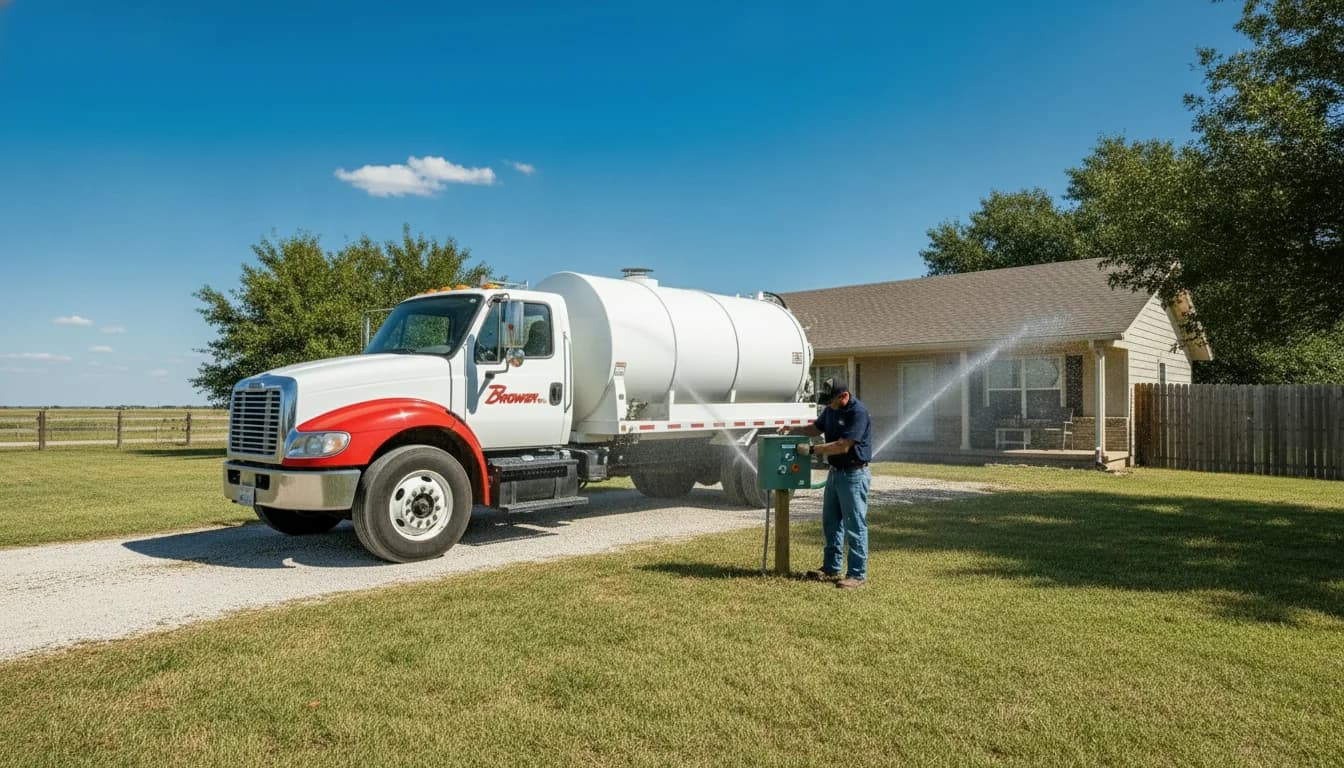
Roughly 1 in 5Oklahoma homes is not connected to a city sewer — and across great stretches of the state's heavy red clay, the system in the yard isn't a simple buried tank. It's an aerobic septic system: a small wastewater treatment plant with an air pump, a control panel, and spray heads that water the lawn with disinfected effluent. It works beautifully where a conventional drain field would fail — and it fails fast when nobody maintains it.
If you just bought a rural Oklahoma property and found an alarm box on a post in the back yard, this guide is for you. We'll cover how an aerobic system actually works, how it differs from a conventional tank, what it really costs to run in 2026, the Oklahoma septic service rules the DEQ enforces, and the warning signs that mean call today.
Quick Answer
An aerobic septic system treats household wastewater with oxygen-fed bacteria, disinfects it, and sprays clean effluent onto a designated lawn area — making it the go-to choice for Oklahoma's tight clay soils and small lots. Expect $9,000–$16,000 to install, a DEQ-required service contract ($150–$350/yr), and pumping every 2–4 years($400–$650). The non-negotiable rule: keep the maintenance contract active — it's the law in Oklahoma and it's what makes the system last 20-plus years.
Need your aerobic system pumped or serviced in Oklahoma?
Brower Inc. is DEQ-licensed and pumps aerobic and conventional systems across 14 Oklahoma and 6 Kansas counties. Flat all-in pricing, no mileage surcharge inside our service area.
See Septic Services →What Is an Aerobic Septic System?
An aerobic septic system — formally an aerobic treatment unit (ATU) — is an onsite wastewater system that adds oxygen to the treatment process. A small air pump continuously bubbles air through the waste, feeding aerobic (oxygen-loving) bacteria that digest solids far more completely than the anaerobic bacteria in a conventional tank. The result is cleaner effluent that can be disinfected and sprayed above ground instead of buried in a drain field.
The U.S. Environmental Protection Agency classifies these as advanced treatment systems. As the EPA's guide to septic system types explains, aerobic treatment units use the same biological process as a municipal sewage plant — just sized for one home. That higher treatment level is exactly why Oklahoma counties allow them on lots where a conventional system would never pass a perc test.
Aerobic vs. Conventional Septic: The Honest Comparison
Neither system is "better" in the abstract — the right one depends on your soil, lot size, and budget. Here is the straight comparison:
| Factor | Conventional | Aerobic (ATU) |
|---|---|---|
| Treatment method | Anaerobic (no oxygen) | Aerobic (added oxygen) |
| Effluent dispersal | Buried drain field | Above-ground spray |
| Works in heavy clay? | Often no | Yes |
| Moving parts | None | Air pump, floats, sprayers |
| Install cost (OK, 2026) | $5,000–$10,000 | $9,000–$16,000 |
| Required service contract | No | Yes (DEQ) |
| Pump frequency | 3–5 years | 2–4 years |
If you're weighing the running costs of either system, our Oklahoma septic tank pumping cost guide breaks down the pumping side in detail for both types.
Why So Many Oklahoma Homes Have Aerobic Systems
Drive any rural road around Kay, Garfield, Noble, or Logan County and you'll see the tell-tale spray heads watering green circles of lawn. Three things make aerobic systems the default choice across much of Oklahoma:
- Heavy clay soil.Much of north-central Oklahoma sits on dense clay that drains slowly. Conventional drain fields need soil that absorbs effluent; clay doesn't cooperate, so a conventional system clogs and surfaces.
- Small or sloped lots.A conventional drain field needs a lot of usable square footage. Aerobic spray dispersal fits properties where there's simply no room for a buried field.
- Higher treatment standards. Because the effluent is sprayed above ground, it must be treated and disinfected to a high standard first — which the aerobic process delivers and county health departments require.
How an Aerobic System Works (the 3 Stages)
Most Oklahoma aerobic systems move wastewater through three tanks or chambers before it ever reaches the lawn:
- Trash / pretreatment tank. Solids settle out here, just like the first stage of a conventional tank. This is the chamber that fills with sludge and needs periodic pumping.
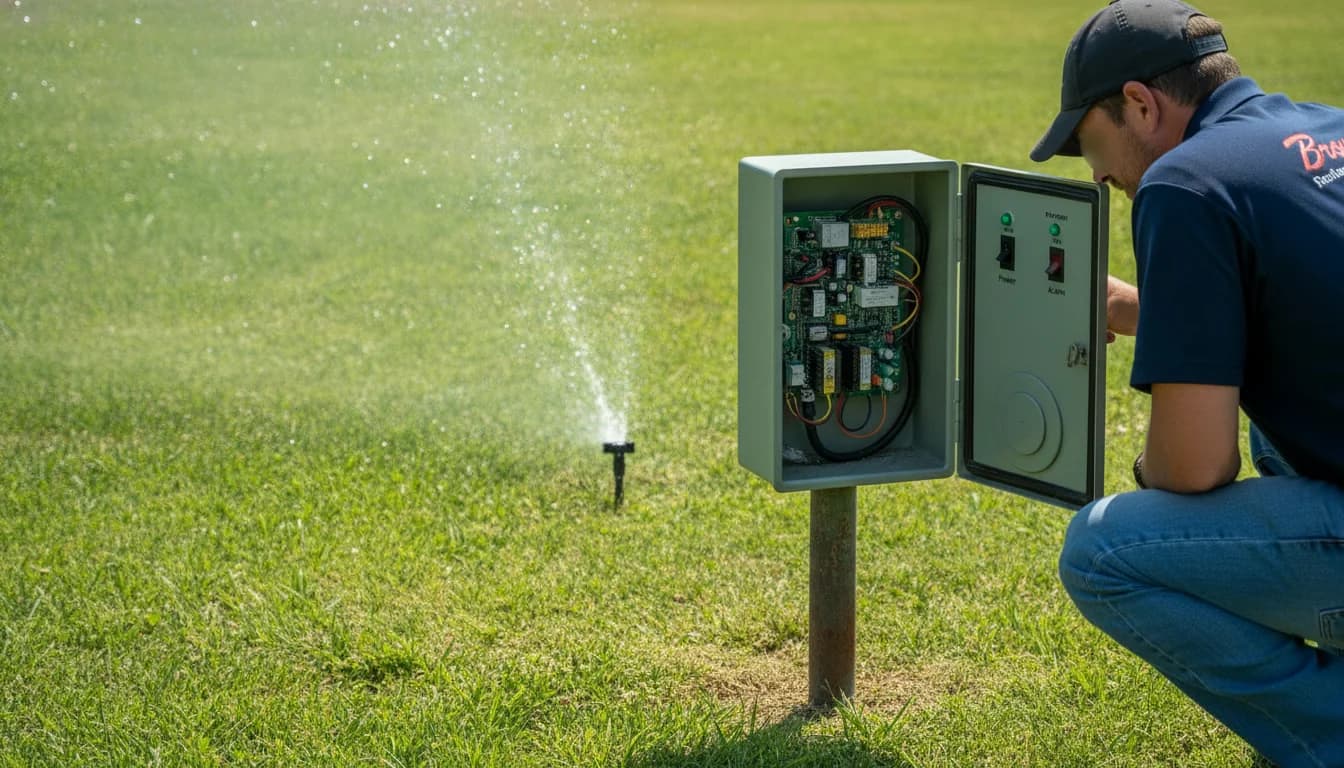
- Aeration chamber.The air pump injects oxygen, supercharging the bacteria that digest the remaining waste. This is the "aerobic" step and the heart of the system.
- Clarifying / disinfection chamber. The treated water clears, gets disinfected (usually by chlorine tablets or a UV unit), and is pumped to the spray heads that distribute it across the designated lawn area.
A control panel runs the air pump and spray pump on timers, and an alarm warns you the moment the air pump fails or a float sticks. That alarm is the single most important part of the system to pay attention to — more on that below.
Alarm going off? Don't wait it out.
An aerobic alarm means the system has stopped treating waste properly — every day it runs untreated raises the risk of a backup and a DEQ violation. Brower Inc. dispatches across 14 Oklahoma and 6 Kansas counties, day or night.
Call (580) 747-6206The Maintenance Your Aerobic System Requires
This is where aerobic systems differ most from a buried conventional tank you can almost ignore. An aerobic system has mechanical parts and a disinfection step, so it needs routine attention. The EPA's septic care guidance stresses that advanced systems like ATUs require more frequent professional service than conventional ones. In practice, that means:
- Keep the air pump running.If it's silent, treatment has stopped. Air pumps last 5–7 years and the diaphragm is a routine replacement part.
- Keep the chlorinator stocked. Use only septic-rated tablets — never pool chlorine, which is the wrong chemical and damages the system.
- Keep the spray heads clearof mowing debris and check that they're actually rotating during a spray cycle.
- Pump the pretreatment tank on schedule(every 2–4 years) so solids don't carry into the aeration chamber.
- Maintain the DEQ service contract — required inspections catch small failures before they become backups.
For the broader homeowner routine that applies to both system types, pair this with our Oklahoma septic system maintenance guide.
What an Aerobic Septic System Costs in Oklahoma (2026)
The sticker price is only half the story. Here's the full picture for a typical Oklahoma residential system in 2026:
| Cost Item | Frequency | 2026 Range (OK) |
|---|---|---|
| New system install | One-time | $9,000–$16,000 |
| DEQ service contract | Annual | $150–$350 |
| Tank pumping | Every 2–4 yrs | $400–$650 |
| Chlorine tablets | Annual | $40–$120 |
| Air pump / diaphragm | Every 5–7 yrs | $150–$500 |
| Spray head / float repair | As needed | $75–$300 |
Budget roughly $400–$700 a year in routine running costs once you average pumping across the cycle. That is dramatically cheaper than the alternative — a neglected aerobic system that fails inspection or backs up can cost several thousand to rehabilitate.
"The aerobic systems we get called to rescue are almost never bad equipment. They're good systems that went three or four years with a dead air pump and an empty chlorinator because nobody was on a service contract. Keep up the maintenance and these things just run."
— Troy Brower, Owner | Brower Inc. | Newkirk, OK
How Often to Pump an Aerobic Tank
Aerobic systems generally need pumping every 2 to 4 years — a bit more often than a conventional tank, because the pretreatment chamber accumulates solids steadily and an overloaded chamber pushes solids into the aeration stage, where they foul the whole process. The exact interval depends on:
- Household size — more people, more solids, shorter cycle.
- Garbage disposal use — disposals load the tank fast; pump on the 2-year end if you use one daily.
- Tank and chamber size — smaller pretreatment tanks fill sooner.
- Water usage — high-volume laundry and long showers push more through the system.
Don't guess — have the sludge depth checked at each service visit and pump when it's due, not after a problem. A scheduled pump is a routine septic tank pumping call; an emergency one after a backup costs more and risks the spray field.
7 Warning Signs Your Aerobic System Is Failing
Aerobic systems give you more warning than conventional ones — if you know what to watch for. Any one of these means schedule service:
- The alarm light or buzzer is on. The system is telling you the air pump or a float has failed.
- Sewage odor near the tank lids or the spray heads.
- The air pump is silent — or, conversely, running constantly and hot.
- Cloudy, gray, or foul spray effluent. Properly treated effluent is clear and nearly odorless.
- Soggy ground or ponding around the spray field.
- Slow drains or gurgling inside the house.
- The chlorinator has been empty for weeks — untreated effluent is being sprayed onto your lawn.
Oklahoma DEQ Rules & Required Service Contracts
Onsite wastewater systems in Oklahoma are regulated by the Oklahoma DEQ Onsite Sewage Treatment Systems program. Two rules matter most for aerobic owners:
- A maintenance/service contract is mandatory. Aerobic treatment units must be inspected by a certified maintenance provider on a set schedule. This is a legal requirement and it protects the public water that the sprayed effluent eventually reaches.
- Pumpers and installers must be DEQ-licensed. Septage can only be removed and disposed of by a licensed pumper at a permitted facility. Always confirm a provider's license before they touch the system — Brower Inc. provides certificate copies on request.
The treatment standards these rules enforce mirror the national-level certifications for advanced onsite systems published by independent bodies like NSF, which sets the performance standards most ATU manufacturers build to. The takeaway for a homeowner: an aerobic system is a regulated treatment plant, and staying on a service contract keeps you compliant and your warranty intact.
How Brower Inc. Services Aerobic Systems
We've been pumping and servicing onsite systems across northern Oklahoma since 1980 — aerobic units, conventional tanks, commercial systems, and grease traps. When you call us about an aerobic system, here's what you get:
- A DEQ-licensed pumper who knows aerobic systems, not a general hauler.
- Flat all-in pricing — pump, rinse, inspection, and DEQ-compliant disposal in one number.
- No mileage surcharge inside our 20-county Oklahoma and Kansas service area.
- An honest assessmentof the air pump, chlorinator, floats, and spray heads while we're on site — so small parts get caught before they become a backup.
- A recommended next-service date in writing.
Headquartered in Newkirk, we run daily routes through Kay County and across north-central Oklahoma and southern Kansas. If you're also evaluating a system before a property purchase, a septic inspection tells you exactly what you're buying.
Get aerobic septic service from a DEQ-licensed local pumper.
Tell us your address and system type and we'll quote pump + inspection + DEQ disposal in one flat number — no mileage surcharge inside our 20-county service area. Call (580) 747-6206 or send us the details and we'll schedule a visit.
Frequently Asked Questions
An aerobic septic system (also called an aerobic treatment unit, or ATU) is an onsite wastewater system that pumps air into the treatment tank so oxygen-loving bacteria can break down waste far more thoroughly than a passive conventional tank. The cleaner effluent is then disinfected and dispersed — usually through spray heads onto a designated lawn area. Oklahoma uses these heavily because much of the state's heavy clay soil can't absorb conventional drain-field effluent well enough.
An Aerobic System Is Easy — If You Maintain It
An aerobic septic system is the reason thousands of rural Oklahoma homes can sit on clay soil and small lots and still handle their own wastewater cleanly. The technology is proven; the only thing that ever goes wrong is neglect — a dead air pump, an empty chlorinator, a lapsed service contract, a tank pumped years too late.
Brower Inc. is locally owned in Newkirk, fully DEQ-licensed, and services aerobic and conventional systems across 14 Oklahoma and 6 Kansas counties — flat pricing, no surprise fees, and a real person on the phone. Call (580) 747-6206 or request a septic service quote.
Related reading